
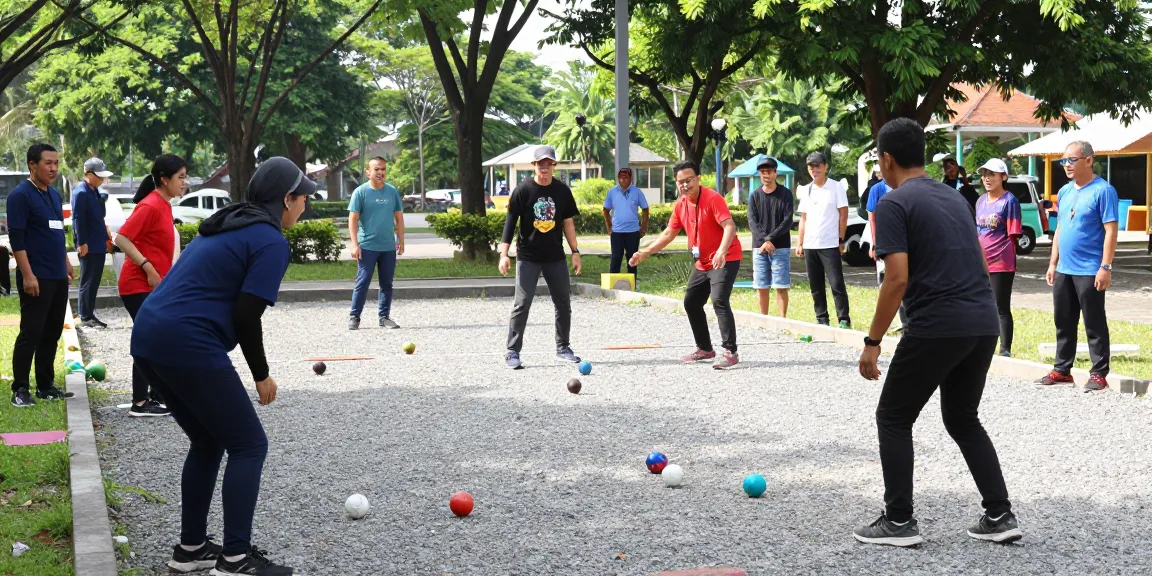
The Evolution of Petanque in Indonesia
Petanque, a sport deeply rooted in French culture, has made its mark on various countries worldwide, including Indonesia. This fascinating game, which entails throwing metal balls as close as possible to a small target ball, has seen a gradual but significant evolution in Indonesia, particularly in the city of Manado. The journey of petanque in this beautiful archipelago reflects not only the sport’s unique characteristics but also the vibrant cultural exchanges that have occurred over the decades. For anyone wishing to delve deeper into petanque’s development in Indonesia, fopikotamanado.org offers comprehensive insights.
Historical Background of Petanque
The origins of petanque date back to the early 1900s in France, evolving from a similar sport known as jeu de boules. It was initially played on the beaches of La Ciotat, where players aimed to showcase their precision and skill. As the sport blossomed in France, it gradually spread to other nations through various channels, including expatriates and international events.
In Indonesia, the introduction of petanque is somewhat ambiguous. While specific records remain elusive, it is believed that the sport arrived in Indonesia thanks to French expatriates who brought their love for petanque along with them. In places like Jakarta, Lombok, Yogyakarta, and Bali, petanque facilities began to emerge, often associated with French-managed hotels such as the Novotel in Kuta and Hotel Horizon, Ancol.
Growth of FOPI Kota Manado
FOPI Kota Manado, the official governing body of petanque in the region, was established to foster growth and organization within the sport. Under the auspices of the Petanque Sports Federation of Indonesia (FOPI) and affiliated with KONI (National Sports Committee), FOPI Kota Manado plays a pivotal role in training athletes and promoting competitions. Their establishment marked a significant milestone in the formalization of the sport in the region, especially following the recognition of petanque as a mandatory sport during the SEA Games in 2011. Since then, FOPI Kota Manado has been dedicated to nurturing local talent and expanding the sport’s reach.
Impact of International Events on Local Sports
The inclusion of petanque in international sporting events has greatly influenced its development in Indonesia. The 2011 SEA Games, held in Jakarta and Palembang, acted as a catalyst for the sport, leading to increased awareness, resources, and participation at the grassroots level. Such platforms not only sparked local interest but also attracted sponsorships and support from various stakeholders, fostering a more vibrant sporting community.
Understanding FOPI Kota Manado’s Structure
An essential aspect of FOPI Kota Manado’s success lies within its structured governance and collaborative spirit. The organization is designed to ensure that all stakeholders can participate, contributing to a well-rounded approach to managing the sport.
Leadership and Governance of FOPI
The leadership of FOPI Kota Manado is composed of dedicated individuals passionate about petanque. The organization operates with a clear hierarchy, including a president, secretary, treasurer, and various committees that handle specific aspects such as coaching, events, and community outreach. This structure allows for efficient decision-making and promotes accountability within the organization.
Collaboration with KONI and Other Organizations
FOPI’s affiliation with KONI plays a crucial role in its operations. This collaboration not only provides legitimacy but also offers access to resources, training, and funding necessary to elevate the sport’s profile in the region. Furthermore, partnerships with educational institutions and local businesses aid in expanding training programs and organizing tournaments, reinforcing the sport’s community-centric approach.
Roles of Volunteers in Petanque Development
Volunteers are the backbone of community sports organizations, and FOPI Kota Manado is no exception. They contribute invaluable time and expertise, from coaching aspiring players to organizing local competitions. Volunteers also help bridge the gap between FOPI and the community, fostering a sense of belonging and enthusiasm around the sport. Their efforts are instrumental in nurturing a new generation of petanque players.
Participating in Petanque: What to Know
Joining the petanque community is an exciting and fulfilling endeavor. New players can quickly become part of the vibrant culture surrounding the sport by understanding the fundamental rules, equipment, and available training opportunities.
Rules and Regulations for New Players
Petanque is characterized by its straightforward rules, making it accessible to players of all ages and skill levels. Each game involves two teams, typically composed of one to three players, who take turns throwing their metal balls towards a target ball, known as the cochonet. The team that finishes closest to the target scores points, making strategy and accuracy vital components of successful gameplay.
Essential Gear and Equipment for Petanque
To begin playing petanque, one needs a few essential pieces of equipment:
- Metal Boules: Typically, players use three balls, made of steel, that weigh between 650-800 grams.
- Target Ball (Cochonet): The small, wooden ball serves as the target that players aim to get as close to as possible.
- Measuring Tape: Used to determine which boule is closest to the cochonet when scores are contested.
While investing in high-quality gear can enhance gameplay, beginners can often borrow or rent equipment to start with.
Training and Skill Development Opportunities
FOPI Kota Manado offers various training sessions for aspiring players, including introductory courses and advanced skill workshops. These sessions not only provide technical training but also emphasize sportsmanship, strategy, and teamwork. Engaging with seasoned players during these workshops can significantly enhance newcomers’ understanding of the game and help them develop their unique playing style.
Challenges Facing Petanque in Manado
Despite the growth of petanque in Manado, several challenges persist, affecting its popularity and participation rates.
Common Misconceptions About Petanque
One significant barrier to petanque’s growth is the misconception that it is only for the elderly or affluent. This stereotype discourages younger and more diverse demographics from exploring the sport. Educating the community about the accessibility and fun aspects of petanque is crucial to overcoming these misconceptions.
Barriers to Participation and Competitive Play
Other barriers include limited access to facilities, lack of awareness about local competitions, and insufficient exposure through media. To combat these issues, FOPI Kota Manado is tasked with increasing outreach efforts, establishing more community play areas, and promoting events through social media and local news outlets.
Strategies to Increase Community Engagement
Increasing community engagement is essential for the long-term success of petanque. FOPI Kota Manado can implement strategies such as:
- School Programs: Introducing petanque in schools to encourage youth participation.
- Community Tournaments: Hosting local tournaments with prizes to incentivize involvement.
- Workshops and Clinics: Offering free workshops for beginners to attract fresh talent.
Future Trends and Developments in Petanque for 2026
As we look toward 2026, several exciting trends and developments are poised to shape the landscape of petanque in Indonesia.
Potential for Increased Youth Involvement
With a growing emphasis on youth sports and community engagement, there is significant potential for petanque to attract younger players. Creating youth leagues and school partnerships can foster early interest and cultivate a new generation of athletes.
Technological Innovations in Gameplay
Technological advancements may also impact how petanque is played and viewed. Innovations such as mobile apps that track player statistics, virtual coaching tools, and enhanced training equipment can make the sport more engaging and accessible for modern players.
Predictions for National and International Competitions
Looking ahead, Indonesia may see increased participation in national and international competitions, potentially including more events like the SEA Games. This growth will necessitate better training programs, supporting infrastructure, and athlete development initiatives to ensure competitive success.
What is the role of community organizations in promoting petanque?
Community organizations serve as the backbone for sports like petanque, offering support, resources, and a platform for players to connect. They play a vital role in organizing competitions, providing training, and ensuring that the sport remains accessible to everyone.
How can I get started with playing petanque?
Getting started with petanque is as simple as finding a local group or club. Many organizations, including FOPI Kota Manado, offer introductory sessions to help newcomers learn the rules, practice their skills, and meet fellow enthusiasts.
What events does FOPI Kota Manado host?
FOPI Kota Manado hosts various events throughout the year, including local tournaments, training sessions, and workshops. These events are designed to engage the community and promote the sport among players of all skill levels.
Are there opportunities to volunteer with FOPI?
Yes, FOPI Kota Manado welcomes volunteers to assist with various tasks, from event organization to coaching. Volunteering is a great way to give back to the community and promote the growth of petanque in the region.
How does petanque compare to other sports in Indonesia?
Petanque differs from other sports in that it emphasizes precision and strategy over physical endurance or strength. This unique aspect makes it appealing to a diverse audience, including those who may not traditionally participate in more physically demanding sports.