
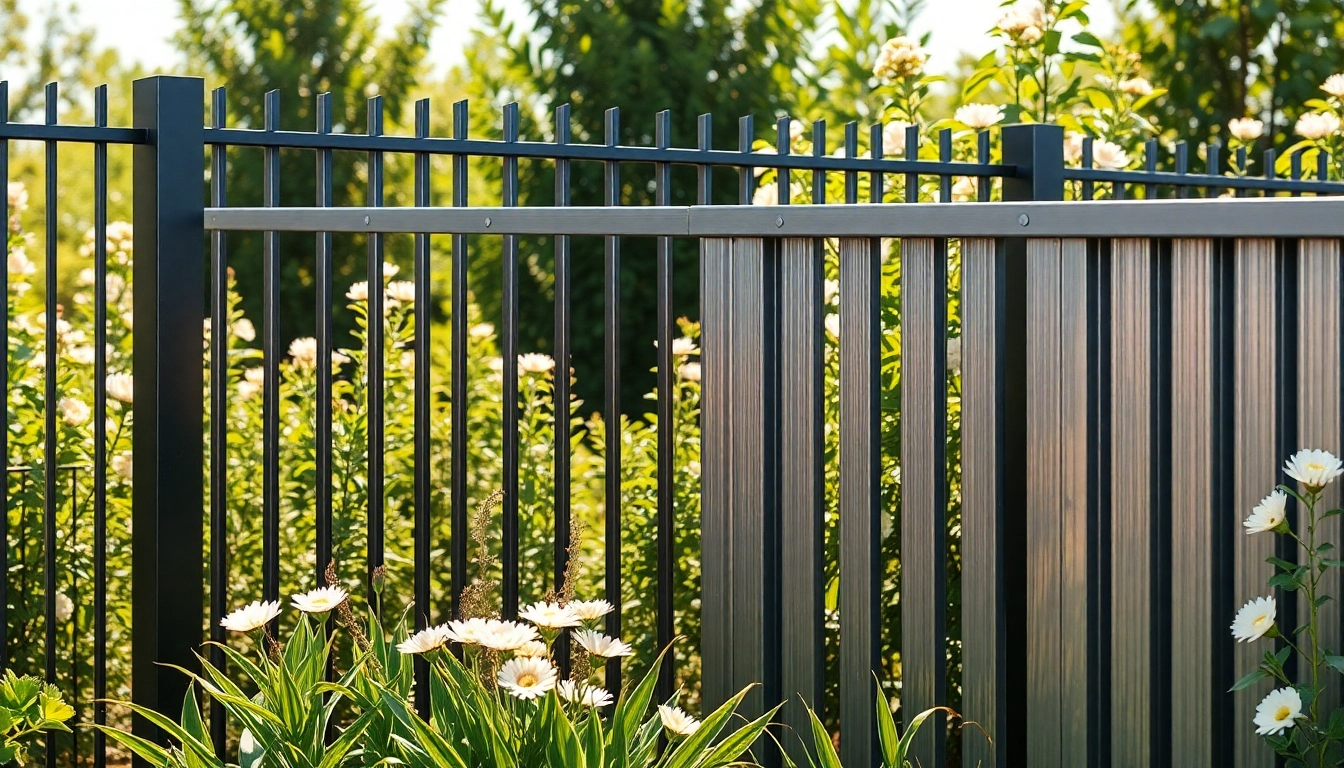
Understanding Metal Fence Panels
What Are Metal Fence Panels?
Metal fence panels are sturdy and durable barriers made from various metal materials, including steel, aluminum, and wrought iron, designed to provide security, privacy, and aesthetic appeal. These panels are ideal for residential, commercial, and industrial applications due to their resistance to harsh weather conditions, pests, and aging. Unlike traditional wooden fences, metal panels require less maintenance and offer a longer lifespan, making them a cost-effective choice for fencing solutions. For more details on selecting the right options, visit www.metalfencepanels.co.uk.
Types of Metal Fence Panels Available
Metal fence panels come in several types, each catering to specific needs and preferences. The most common varieties include:
- Steel Fence Panels: Known for their exceptional durability and strength, steel panels are ideal for security-focused installations.
- Aluminum Fence Panels: Lightweight and rust-resistant, aluminum panels offer an elegant look and are often used in residential settings.
- Wrought Iron Fence Panels: Combining beauty and strength, wrought iron panels are customizable and often used for ornamental purposes.
- Chain Link Fence Panels: These economical panels are typically used for security and boundary marking, allowing visibility while providing protection.
Benefits of Metal Fence Panels
The advantages of installing metal fence panels are numerous:
- Durability: Metal fences are highly resistant to wear and tear, ensuring a long-lasting barrier against environmental factors.
- Low Maintenance: Unlike wooden fences, metal fences do not require frequent painting or sealing, saving both time and money.
- Security: The robust nature of metal fencing provides an effective deterrent against intruders and unwanted visitors.
- Aesthetic Appeal: Available in various finishes and styles, metal panels can enhance the overall look of a property.
Installation Process for Metal Fence Panels
Preparing Your Site
Before you begin the installation of metal fence panels, proper site preparation is essential. This includes:
- Checking Local Regulations: Verify zoning laws and HOA regulations for fence installation in your area.
- Measuring Your Yard: Accurately measure the area where the fence will be installed to determine the amount of material required.
- Clearing the Area: Remove any obstacles such as shrubs, rocks, or old fencing that may hinder installation.
- Marking the Layout: Use stakes and a string line to outline the fence path, ensuring that the fence line is straight and level.
Steps to Install Metal Fence Panels
Follow these steps for successful installation:
- Digging Post Holes: Using a post hole digger or auger, create holes for the fence posts at the marked intervals.
- Setting the Posts: Position the metal posts and fill the hole with concrete, ensuring they are plumb and secure.
- Attaching Panels: Once the concrete has cured, attach the metal panels to the posts using brackets or screws as specified by the manufacturer.
- Final Adjustments: Check that all panels are level and make adjustments as necessary to maintain a uniform appearance.
Tools Required for Installation
Gathering the right tools will make the installation process smoother:
- Post hole digger or auger
- Level
- Measuring tape
- Wrench set
- Power drill/screwdriver
- Concrete mix
- Pry bar (for adjustments)
- Safety gear (gloves, glasses)
Maintenance Tips for Metal Fence Panels
Cleaning Metal Fence Panels
Regular cleaning is essential to keep your metal fence panels looking new. Use the following techniques:
- Pressure Washing: Use a pressure washer to remove dirt and grime. Be cautious not to damage the paint finish.
- Soap and Water: For more delicate cleaning, a solution of soap and water applied with a soft brush works well.
- Remove Debris: Ensure that fallen leaves, twigs, or dirt are removed to prevent corrosion over time.
Preventing Rust and Corrosion
To enhance the lifespan of metal fence panels, take proactive measures against rust:
- Protective Coatings: Consider applying a protective sealant to further guard against moisture and corrosion.
- Regular Inspections: Look for signs of rust early and treat them promptly using a rust converter or appropriate paint.
- Drainage Considerations: Ensure proper drainage around the fence to avoid water pooling at the base of posts.
When to Replace Your Metal Fence Panels
Even though metal panels are durable, there are indications that they may need replacement:
- Extensive Rust Damage: If rust has compromised the structural integrity of the panel.
- Warping or Bending: Any significant physical distortions affecting the fence’s appearance or function.
- Issues After Collision: Damage from vehicles or natural disasters may require panel replacement for safety and security.
Design Considerations for Metal Fence Panels
Matching Fence Style with Your Home
Selecting a metal fence design that complements your home’s architecture can enhance curb appeal. Consider these styles:
- Modern: Sleek, minimalist fence designs with clean lines suit contemporary homes.
- Classic: Ornate wrought iron fencing can add sophistication to traditional or colonial-style homes.
- Industrial: Chain-link or steel panels can align with urban lofts or commercial spaces.
Color and Finish Options
Metal fences come in a variety of colors and finishes to suit individual preferences. Common options include:
- Powder Coated: Durable and available in diverse colors, this finish helps prevent corrosion.
- Galvanized: A protective zinc coating that offers a silver finish and excellent rust resistance.
- Painted Finishes: Custom paint can add personality, but ensures the surface is prepped for durability.
Customizing Your Metal Fence Panels
Customizing your fence can enhance its functionality and appearance:
- Height Variations: Different heights can offer enhanced privacy or visibility.
- Incorporate Gates: Customizable gates can add convenient access points to your property.
- Panel Designs: Geometric patterns or decorative elements can personalize your panels.
Frequently Asked Questions About Metal Fence Panels
How long do metal fence panels last?
Metal fence panels can last 20 years or more with proper maintenance, thanks to their robust construction.
Are metal fence panels weather-resistant?
Yes, designed to withstand diverse weather conditions, metal panels resist rain and snow without deterioration.
Can metal fence panels be painted?
Yes, you can paint metal fence panels. Use specific paint designed for metal surfaces for best results.
Are metal fence panels suitable for security?
Absolutely. Their robust design provides enhanced security and effectively deters potential trespassers.
What types of metal are used for fencing?
Common materials include aluminum, steel, and wrought iron, each offering unique benefits for different needs.