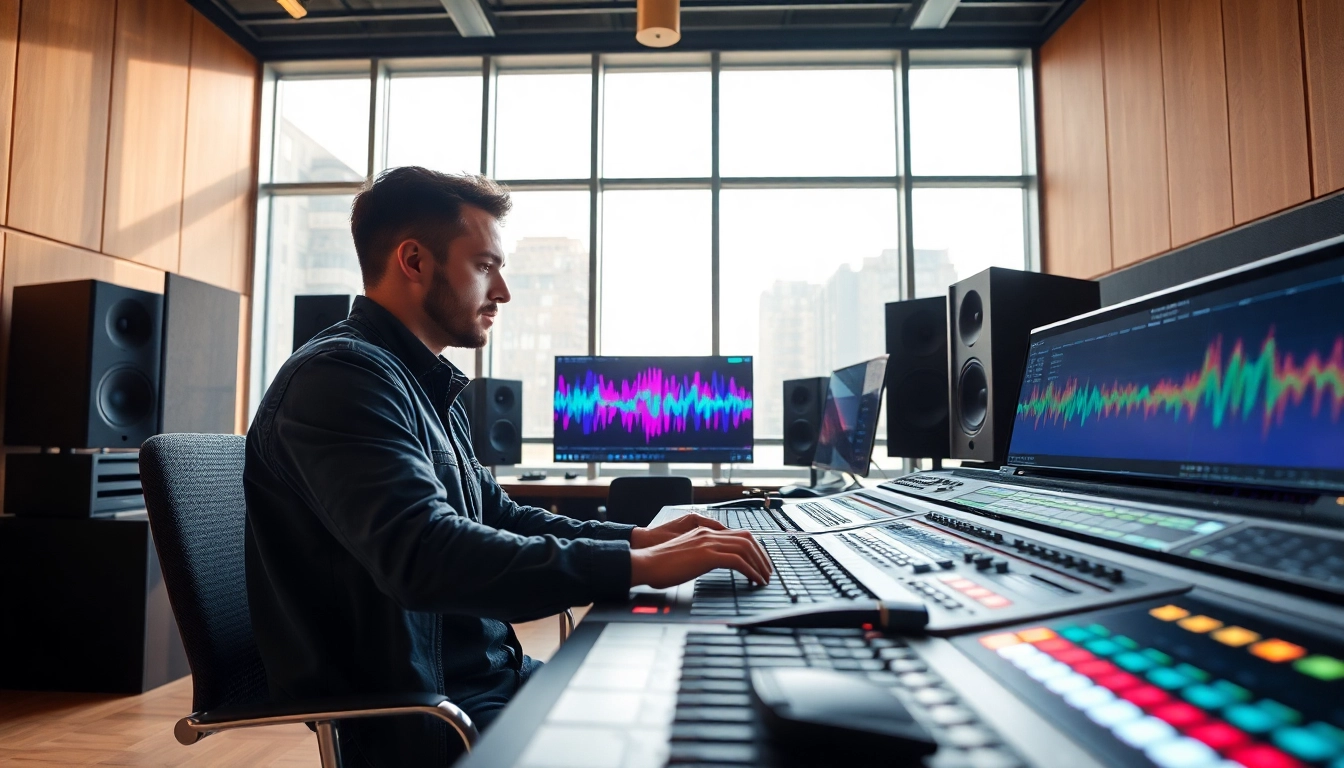
Understanding Online Mastering Services
Definition and Overview
Online mastering services are a modern solution designed for musicians and audio producers aiming to achieve professional-grade audio without the need for physical studio space. These services utilize advanced digital technologies to enhance and finalize audio tracks, ensuring that they adhere to industry standards. The process typically involves the online submission of your audio files to experts who apply their skills in equalization, compression, and other mastering techniques to elevate the sound quality of your recordings. With the rise of technology, musicians can now access affordable and convenient solutions that enable them to master their tracks efficiently and effectively.
How Online Mastering Works
The online mastering process begins with the artist or producer uploading their audio tracks to a dedicated platform that offers online mastering services. This platform usually provides a user-friendly interface where you can specify your mastering preferences, including genre-specific adjustments and any particular sonic goals you have in mind. Once uploaded, professional engineers analyze the track, making necessary adjustments to dynamic range, frequency balance, and stereo width to achieve a polished final product. After mastering, the tracks are typically returned to the user in a high-quality format, ready for distribution on various platforms.
Benefits of Using Online Mastering Services
- Cost-Effective: Compared to traditional studio mastering sessions, online services often come at a significantly reduced price due to lower overhead costs.
- Convenience: Users can access these services from anywhere in the world, making it easier to work on projects without geographic limitations.
- Speed: Many online mastering platforms offer quick turnaround times, delivering finished tracks within a day or two, which is advantageous for tight deadlines.
- Accessibility to expertise: Musicians and producers can tap into the skills of experienced mastering engineers, even if they don't have the budget for in-person sessions.
Choosing the Right Online Mastering Service
Factors to Consider
When selecting an online mastering service, it's crucial to evaluate various factors to ensure that your audio tracks receive the best treatment possible. Consider the following:
- Experience and Expertise: Look for engineers with a strong portfolio and relevant experience in mastering your specific genre.
- Reviews and Testimonials: Seek feedback from previous users to gauge the overall satisfaction and quality of service.
- Service Features: Consider platforms that offer additional features, such as unlimited revisions, detailed feedback, or format flexibility.
- Pricing Structure: Ensure that the pricing is transparent and fits within your budget without compromising on quality.
Comparing Service Features
Not all online mastering services are created equal, which is why it’s essential to carefully compare what different providers offer. Pay attention to elements such as:
- Preview Options: Some services provide free previews or demo masters, allowing you to sample their quality before making a commitment.
- Track Restrictions: Confirm if there are limits on the number of tracks you can master or specific length restrictions.
- Formats Offered: Check what output formats are available (e.g., WAV, MP3) to ensure compatibility with your distribution needs.
- Support and Customer Service: Reliable customer support can make a significant difference, especially if you encounter any issues during the process.
User Reviews and Recommendations
User recommendations can be a reliable way to assess the credibility of an online mastering service. Look for detailed reviews highlighting key aspects of the service, particularly the quality of mastering, communication efficiency, and ease of use. Engage in online music forums, social media groups, or communities like Reddit to gather insights from fellow musicians who have utilized these services.
Common Challenges with Online Mastering Services
Quality Control Issues
One potential drawback of online mastering is the variability in quality. Some services may lack the consistency or expertise you would find in a brick-and-mortar studio. To minimize these risks, always request samples and check previous works before making your choice.
Miscommunication with Engineers
Because you are not physically present, miscommunication can occur. Ensure that you provide detailed notes regarding your preferences and can establish a clear line of communication throughout the process. The more specific you are about your desired outcomes, the better your final product is likely to be.
Turnaround Times and Delays
While many online services promise quick return times, delays can still occur, particularly during busy periods. It is advisable to plan ahead and allow a comfortable buffer for unexpected holdups, especially if you are working towards a specific release date.
Best Practices for Submitting Your Tracks
Preparing Your Audio Files
Before submitting your tracks for mastering, ensure that they are exported correctly. Use high-quality formats (like WAV) and ensure that your files are mixed as close to perfection as possible. This means ensuring that tracks are balanced, with no clipping or distortion, and that you leave headroom (at least -3 dB) for processing.
Providing Clear Instructions
When using online mastering services, providing clear instructions to the mastering engineer is vital. Include details about your vision for the sound, reference tracks, and any specific elements you want to be emphasized or reduced. Good communication can significantly enhance the mastering process.
Effective Follow-Ups
After submitting your tracks, do not hesitate to follow up with the mastering service for updates or clarifications. Maintain an open line of communication to address any questions that may arise and ensure you receive a product that aligns with your expectations.
Measuring the Impact of Online Mastering Services
Analyzing Your Final Track
Once you receive your mastered track, take the time to analyze it critically. Listen on various sound systems, including headphones, stereo speakers, and even in a car, to assess how it translates across different playback devices. This will give you a comprehensive view of the quality and effectiveness of the mastering.
Listening Tests and Feedback
Conduct listening tests with a trusted group of fellow musicians, producers, or friends. Gather feedback on areas such as clarity, balance, and overall enjoyment of the track, as different perspectives can uncover aspects you may have overlooked.
Tracking Audience Engagement
Once your track is released, monitor audience engagement and reception. Look for metrics such as streaming numbers, comments, and shares to gauge how well it resonates with listeners. Positive engagement can affirm the effectiveness of the mastering process.
Frequently Asked Questions
1. What is the difference between mixing and mastering?
Mixing involves adjusting individual track levels, effects, and balancing each element, while mastering is the final polish that prepares the mixed track for distribution, ensuring consistency and optimization across all playback systems.
2. How long does online mastering typically take?
The turnaround time for online mastering can vary but often ranges from a few hours to a few days, depending on the service and the complexity of the tracks. Always check with the provider for specific timelines.
3. Do I need to provide reference tracks?
Providing reference tracks can significantly assist the mastering engineer in understanding your desired sound. It helps clarify your artistic vision and ensures that the final product aligns with your expectations.
4. Can I master multiple songs at once?
Many online mastering services allow for the mastering of multiple tracks simultaneously, usually as part of an album package. Check with the service for specific details and pricing.
5. What formats do I get my mastered track in?
Online mastering services typically offer various output formats, including WAV and MP3. Always confirm which formats are available to meet your specific distribution needs before placing your order.