
Understanding Model Rocket Motors
Model rocketry is an exciting hobby that blends education, creativity, and engineering, captivating enthusiasts of all ages. At the heart of every model rocket is the motor, acting as the powerhouse that propels the rocket into the sky. Understanding model rocket motors is crucial for anyone looking to engage with this thrilling pursuit. From beginners to seasoned rocketeers, knowing the ins and outs of these engines can significantly affect the performance and safety of your launches. When exploring options, model rocket motors are essential elements to consider, as they come in various types designed for specific experiences and outcomes.
What Are Model Rocket Motors?
Model rocket motors, often referred to as engines, are the propulsion systems that convert stored chemical energy into mechanical energy through controlled combustion. These motors consist of a solid propellant and are encased in a durable material—typically cardboard or plastic. When ignited, they produce thrust that launches the rocket skyward, with different motor types providing varying levels of thrust and burn times. It’s important to understand that each motor is designed for specific rocket weights and sizes, making proper selection vital for successful launches.
Types of Model Rocket Motors
Model rocket motors vary primarily in their power ratings and construction materials. Here are the common types:
- Black Powder Motors: These are the most traditional type and are known for their reliability. They use black powder as the propellant and are widely available in various sizes, such as A, B, C, D, and E, depending on thrust requirements.
- Composite Motors: Made from a mixture of fuel and oxidizer that is chemically bonded, composite motors offer higher performance and are typically used in high-power rocketry. They provide longer burn times and higher thrust levels.
- Reloadable Motors: These allow users to replace the propellant after each flight, making them more economical for frequent flyers. They come in a variety of sizes and are ideal for advanced rocketeers.
- Solid Motors: These are all-in-one units that are ready to go right out of the box. They are perfect for beginners and those who prefer simplicity in operation.
The Importance of Thrust in Flight
Thrust is the force that propels the rocket upwards and is a critical factor in ensuring a successful launch. Understanding the thrust-to-weight ratio is essential: it must exceed one for the rocket to ascend. The right model rocket motor will provide the necessary thrust depending on the rocket’s design and weight. Factors such as the length of the burn time, the total weight of the rocket, and the aerodynamic design play significant roles in achieving optimal flight performance.
Choosing the Right Model Rocket Motor
Selecting the appropriate motor is crucial for a successful flight. The choice often depends on several factors, including the rocket’s weight, size, desired altitude, and the type of flight experience you intend to achieve.
Factors to Consider
When choosing a model rocket motor, consider the following:
- Rocket Weight: Heavier rockets require more powerful motors to achieve liftoff. Ensure to consult the specifications for the motor you are considering to ensure compatibility.
- Desired Altitude: Different motors provide different thrust levels and burn times, which directly affect how high the rocket will go. Adjust your motor selection based on your altitude goals.
- Flight Stability: The motor’s thrust has to match the rocket’s center of gravity and aerodynamic design to maintain stability during flight.
- Flight Purpose: Whether for educational purposes, competition, or hobbyist enjoyment, the intended use of the rocket can influence motor selection.
Common Misconceptions About Motor Selection
Some beginners may believe that simply selecting a motor with the highest thrust rating is ideal for all rockets. This is a misconception. Matching the motor to the rocket’s design and weight is far more important than simply opting for a powerful motor. Overpowering a lightweight rocket can lead to unstable flights or premature destruction of the rocket.
Best Practices for Beginners
For those new to model rocketry, here are a few best practices for selecting and using model rocket motors:
- Start with smaller, lower-power motors until you are comfortable with the launching process.
- Always read the instructions provided with your model and motor to understand compatibility and safety measures.
- Join a local rocketry club or take a class to learn from experienced rocketeers.
- Document your launches and experiments to better understand what works best for your rockets.
Building and Preparing Your Rocket
Building your model rocket is as exciting as launching it. The assembly process offers a chance to apply engineering concepts while also allowing for creativity in design.
Essential Tools and Materials
Before diving into rocket assembly, gather the necessary tools and materials:
- Model rocket kit
- Adhesives (preferably non-toxic and suitable for the materials)
- Scissors or a hobby knife
- Ruler and pencil for measurements
- Sandpaper for smoothing surfaces
- Paints and decorations for personalizing your rocket
Step-by-Step Assembly Guide
Follow these steps for a successful rocket assembly:
- Prepare the Body Tube: Cut the body tube to the desired length if not pre-cut. Sand the edges to ensure a smooth surface.
- Attach the Fins: Mark the fin placement on the body tube and glue them firmly in place. Ensure they are aligned for stability.
- Install the Recovery System: Attach the parachute or other recovery mechanism according to the kit’s instructions.
- Finish the Rocket: Add aesthetic elements and ensure all parts are secured before the final assembly stage.
Common Mistakes to Avoid
Building a model rocket can be complex, and beginners often make mistakes that hinder performance. Common pitfalls include:
- Using the wrong type of adhesive, which may not dry properly or hold components securely.
- Neglecting to check the weight distribution, which can lead to instability during flight.
- Skipping the primer layer before painting, which can affect the paint adherence to the rocket.
- Improperly securing the recovery system, which may lead to failure upon descent.
Launching Your Model Rocket Safely
Safety is paramount in rocketry. Proper preparation can prevent accidents and ensure a successful launch experience.
Pre-Launch Safety Checklist
Before launching, ensure you have completed the following checks:
- Verify that the launch site is clear of obstacles and safe for flying.
- Check weather conditions; high winds can compromise flight safety.
- Inspect all equipment, including launch pads and igniters, to ensure functionality.
- Follow local regulations regarding model rocketry to ensure compliance.
Best Launching Techniques
Adopt these best practices for a successful launch:
- Position the launch pad on level ground and point the rocket away from spectators.
- Use an electronic igniter for a reliable ignition.
- Countdown visibly and audibly before igniting to alert all participants.
- Maintain a safe distance after ignition and ensure all observers do the same.
Dealing with Launch Failures
Launch failures, while disappointing, can be learning experiences. If a rocket fails to launch:
- Wait for a safe period before approaching the rocket to ensure it is not an active ignition.
- Investigate the cause, which could range from electrical failure to misalignment of components.
- Document the failure for future reference and learning.
Future Trends in Model Rocketry
The industry of model rocketry is evolving with emerging technologies and innovative approaches, especially within the educational sector.
Emerging Technologies in Rocket Motors
As technology advances, we see exciting developments in rocket motor design. These include:
- Hybrid Motors: Combining solid and liquid propellants for more control and efficiency.
- Greener Propellants: Innovations are being made to develop eco-friendly alternatives to traditional propellants.
- Smart Technology: Integration of sensors that provide data analytics for performance tracking and improvement.
Advancements in Educational Applications
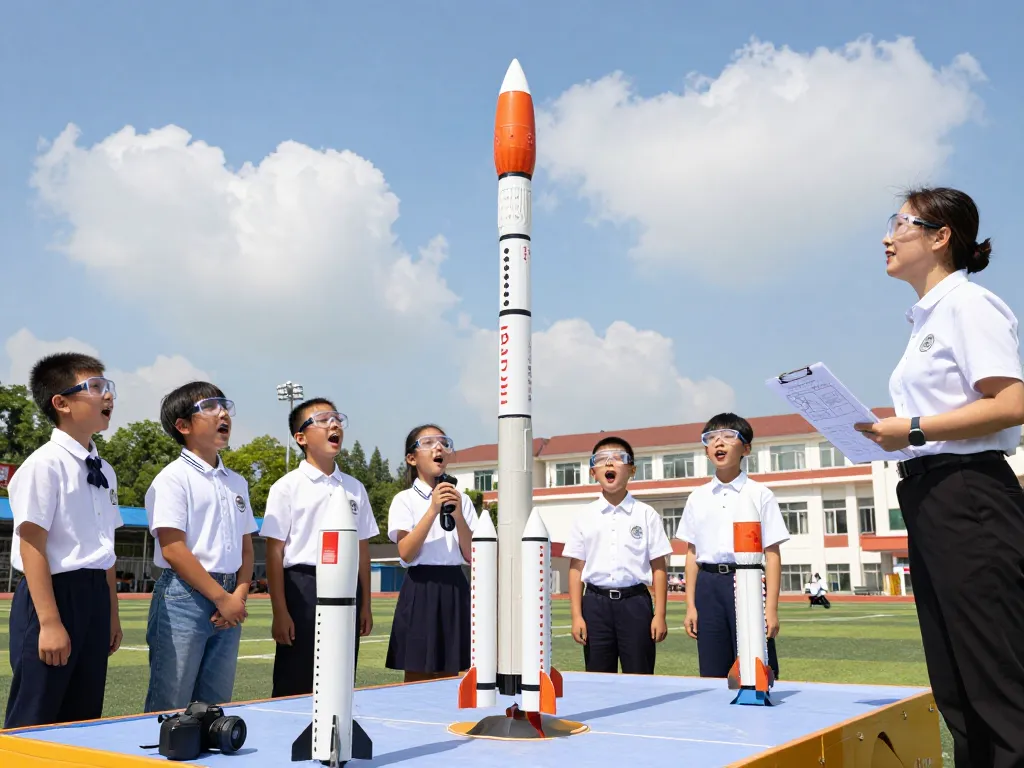
Model rocketry is increasingly being used in educational settings, bringing practical applications of STEM concepts to life. Schools are incorporating rocketry into curricula to:
- Teach principles of physics and engineering through hands-on experience.
- Encourage teamwork and problem-solving skills through collaborative projects.
- Engage students with real-world applications of science concepts, enhancing their learning experience.
Looking Ahead to 2026 and Beyond
The future of model rocketry is bright. With continued advancements in technology and educational applications, we can expect to see:
- Increased accessibility to rocketry for newcomers and educational institutions.
- Greater diversity in participation, including more outreach to underrepresented groups.
- Continued innovation in rocket design and materials, enhancing performance and safety.
What Makes Model Rocketry Popular Today?
Model rocketry has seen a resurgence in popularity for several reasons, including:
- The rise of maker culture encouraging DIY projects and engineering experiments.
- Community-driven events and competitions that inspire interest among hobbyists and students alike.
- The integration of technology, such as app-controlled launches and telemetry data collection, enhancing the flight experience.
