
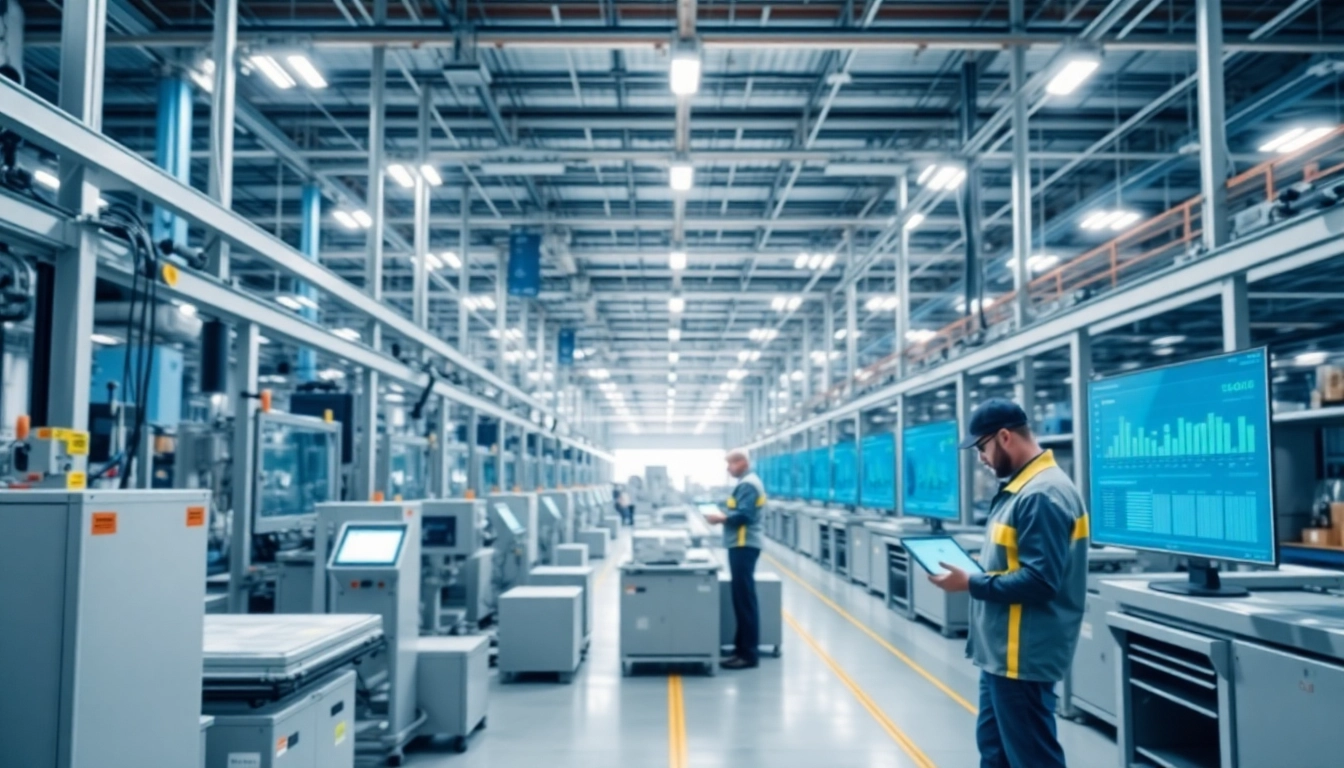
Understanding Factory Traceability Software
Factory traceability software is an essential tool for modern manufacturers. With the increasing complexity of supply chains and the demand for quality assurance, businesses must implement solutions that enable them to track materials, components, and finished products throughout the manufacturing process. This software provides visibility into the entire production lifecycle, allowing firms to monitor the flow of goods and comply with regulatory standards. When exploring options, factory traceability software offers comprehensive insights into best practices and implementation strategies.
What is Factory Traceability Software?
Factory traceability software refers to digital systems designed to monitor and record the history of products from the source of raw materials to the end user. This technology plays a critical role in various industries, such as food and beverage, pharmaceuticals, and electronics, where the integrity and safety of products are paramount. By utilizing barcodes, RFID tags, and cloud-based platforms, manufacturers can create a comprehensive traceability record that aids in quality control, compliance, and recalls.
The Importance of Traceability in Manufacturing
In today’s fast-paced market, customers expect transparency and accountability. Traceability not only enhances product quality but also builds trust with consumers. It allows manufacturers to identify and rectify issues promptly, ensuring that defective products are not sent to market. Moreover, many regulatory bodies require traceability systems to ensure products meet safety and quality standards, making this software vital for compliance.
Key Features of Effective Software Solutions
- Real-Time Tracking: Ability to monitor products at every stage of the supply chain.
- Data Analytics: Tools for analyzing production data, enabling better decision-making.
- Integration Capabilities: Seamless connection with existing ERP and manufacturing systems.
- User-Friendly Interface: Simplified dashboards for easy navigation and reporting.
- Compliance Support: Features that assist with regulatory documentation and reporting.
Benefits of Implementing Factory Traceability Software
Enhancing Product Quality and Compliance
Implementing factory traceability software directly contributes to heightened product quality. By capturing data at each production step, businesses can quickly identify defects or irregularities and take corrective actions. This proactive approach not only reduces waste but also ensures compliance with industry standards, ultimately resulting in fewer recalls and enhanced brand reputation.
Streamlining Supply Chain Management
Traceability software improves supply chain efficiency by facilitating better inventory management and logistics planning. With real-time visibility into inventory levels and product locations, manufacturers can reduce excess stock, minimize lead times, and optimize their supply chain processes. This efficiency translates to lower operational costs and improved service delivery to customers.
Real-Time Data Access and Decision Making
One of the most significant advantages of factory traceability software is the ability to access real-time data. This capability allows decision-makers to respond swiftly to challenges, such as supply chain disruptions or quality control issues. By having up-to-date information at their fingertips, businesses can make informed decisions that enhance operational efficiency and adaptability.
Common Challenges in Adopting Traceability Systems
Overcoming Resistance to Change
One of the main challenges organizations face when implementing traceability software is resistance from employees. Workers may be hesitant to adopt new technologies due to fear of the unknown or concerns about job security. It is essential for management to communicate the benefits clearly and provide adequate training to ensure a smooth transition.
Integrating with Existing Manufacturing Processes
Integrating new traceability software with existing manufacturing systems can pose significant challenges. Companies must ensure compatibility with current ERP solutions and other operational technologies, which may require additional investment in infrastructure or systems upgrades. A well-planned integration strategy is crucial to avoid disruptions in production.
Managing Costs and Return on Investment
Cost is a common concern for manufacturers considering the adoption of factory traceability software. While such systems require upfront investments, the long-term benefits often outweigh the initial costs. Businesses must evaluate the potential return on investment (ROI) by analyzing how improved traceability can lead to cost savings through reduced waste, lower compliance risks, and enhanced operational efficiency.
Best Practices for Implementing Factory Traceability Software
Assessing Your Organization’s Needs
Before selecting a traceability software solution, organizations must assess their specific needs. This includes evaluating the complexity of operations, regulatory requirements, and existing systems. Conducting a thorough analysis will help in choosing a solution that aligns with the company’s objectives and operational capabilities.
Choosing the Right Software Vendor
Selecting the right vendor is critical to the successful implementation of factory traceability software. Companies should consider the vendor’s reputation, support services, and the software’s scalability. It is advisable to seek out vendors who offer demonstrations or trial periods to better understand their solutions’ functionalities and limitations.
Training Staff for Successful Adoption
Comprehensive training programs are essential for the successful adoption of traceability software. Companies should prioritize user training to ensure that employees are equipped to utilize the software effectively. Ongoing support and resources, such as user manuals and help desks, can also assist employees in adapting to the new system.
Future Trends in Factory Traceability Software
Adapting to Industry 4.0 and Beyond
As manufacturing continues to evolve with Industry 4.0, traceability software will need to adapt to new technologies, such as automation and robotics. This integration can lead to enhanced data collection and analysis, enabling manufacturers to achieve unprecedented levels of efficiency and quality control.
The Role of AI and IoT in Traceability
Artificial Intelligence (AI) and the Internet of Things (IoT) are set to play significant roles in the future of factory traceability software. By leveraging AI-driven analytics, manufacturers can predict trends, identify potential issues, and optimize production processes. IoT devices will facilitate real-time data collection from various points in the supply chain, enhancing visibility and responsiveness.
Regulatory Changes and Their Impact on Software Solutions
With ongoing changes in regulatory requirements, traceability software must remain flexible and adaptable. Manufacturers should stay informed about upcoming regulations that could affect their operations and ensure that their software solutions can easily accommodate these changes. This proactive approach will help mitigate compliance risks and maintain product quality standards.