Introduction to Mirror Light Mirrors
In the realm of modern bathroom aesthetics, the mirror light mirror has emerged as a functional yet stylish addition, merging illumination with reflective surfaces. This innovative product not only serves the traditional purpose of a mirror but also enhances the overall lighting environment of your bathroom. In this comprehensive guide, we will delve into the specifics of mirror light mirrors, exploring their benefits, styles, installation processes, maintenance, and much more.
What is a Mirror Light Mirror?
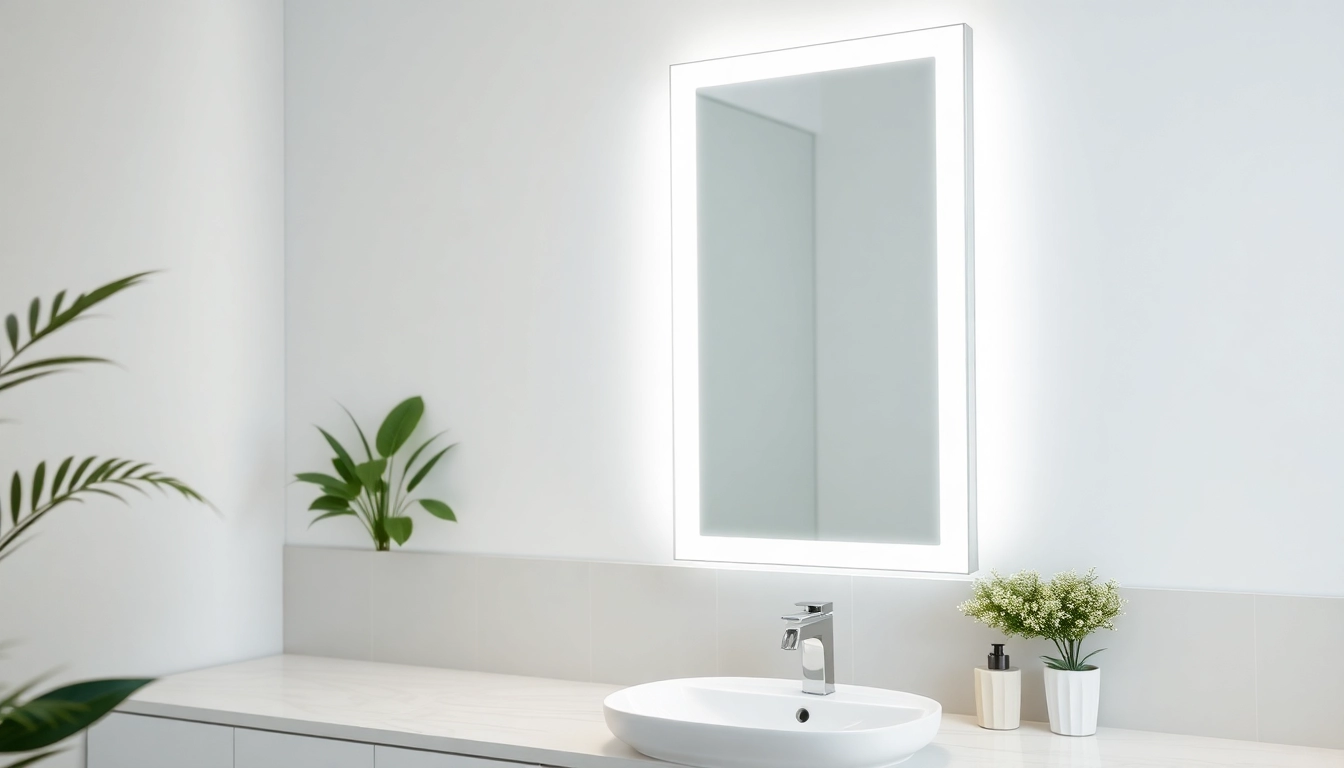
A mirror light mirror is a dual-functioning bathroom accessory that combines a reflective surface with integrated lighting, often LED-based. This type of mirror illuminates your face, ensuring a brighter and clearer view, which is particularly beneficial for makeup application, grooming, and personal care routines. Available in various styles, sizes, and shapes, these mirrors may come with features such as touch sensors, adjustable brightness, and different light temperatures. Their design allows them to seamlessly integrate into both traditional and contemporary bathroom setups.
Benefits of Using a Mirror Light Mirror
The advantages of incorporating a mirror light mirror into your bathroom are manifold:
- Enhanced Lighting: Standard bathroom lighting may often cast shadows, making grooming tasks challenging. A mirror light mirror provides uniform illumination, eliminating unwanted shadows.
- Space Efficiency: A two-in-one product saves space, combining the functions of a mirror and a light fixture, ideal for compact bathrooms.
- Improved Aesthetic: These mirrors come in numerous styles, adding a modern touch or a classic element to your bathroom décor.
- Energy Efficiency: Many mirror light mirrors use LED technology, which consumes less electricity than traditional bulbs, reducing your energy footprint.
Different Styles and Designs
When it comes to styles and designs, mirror light mirrors offer a wide array of options to choose from:
- Framed Mirrors: These often come in a variety of materials like wood, metal, or plastic, providing a finished look that can complement your bathroom’s décor.
- Frameless Mirrors: Sleek and modern, frameless mirrors provide an uncluttered look, often favored in minimalist design schemes.
- Backlit Mirrors: Equipped with lights that shine from behind the mirror surface, backlit mirrors create an atmospheric lighting effect, ideal for spa-like environments.
- Smart Mirrors: These feature advanced functionalities such as Bluetooth speakers, temperature displays, and demisting capabilities, merging technology with practicality.
Choosing the Right Mirror Light Mirror for Your Space
Choosing the right mirror light mirror involves considering several factors to ensure it meets both functional and aesthetic needs.
Factors to Consider When Selecting
When selecting a mirror light mirror, consider the following factors to enhance your bathroom experience:
- Brightness Levels: Evaluate how bright you want the lighting to be. Look for mirrors with adjustable brightness to customize the lighting to your preference.
- Light Color Temperature: Warmer tones are often more flattering, while cooler tones can provide a more clinical light. Determine which best suits your makeup or grooming needs.
- Power Source: Ensure you select a mirror that fits your electrical setup. Some mirrors require hardwiring, while others may simply plug into a wall outlet.
Matching with Bathroom Aesthetics
Your mirror should not only be functional but also complement your bathroom’s overall theme. Here are tips on matching aesthetics:
- Color Scheme: Coordinate the frame color or the tone of the mirror with faucets, fixtures, and cabinetry for a cohesive look.
- Size and Scale: Consider how the size of the mirror will balance with other bathroom features and furnishings. A large, bold mirror can serve as a focal point, while a smaller one may harmonize with a delicate aesthetic.
- Style Harmony: Ensure that the mirror’s style matches the overall design theme of your bathroom, whether it’s traditional, modern, industrial, or rustic.
Calculating the Ideal Size
Determining the right size for your mirror light mirror involves more than just personal preference. Here’s how to calculate the ideal size:
- Measurement: Measure the space where you intend to install the mirror. For bathrooms, it’s often best to select a mirror that is at least half the width of the vanity for proportion.
- Height Considerations: Mirror height should ideally be around eye level when you’re standing in front of it. Adjust based on your household’s average height.
- Room Size: In larger bathrooms, you can afford to go bigger, while smaller bathrooms may require a compact mirror to retain visual space.
Installation Guide for Mirror Light Mirrors
Installing a mirror light mirror does not have to be a daunting task if you follow this detailed installation guide.
Tools and Materials Needed
Before installation, ensure you gather these essential tools and materials:
- Drill
- Screwdriver
- Stud finder
- Level
- Measuring tape
- Wall anchors (if needed)
- Electrical connection tools (if hardwiring)
Step-by-Step Installation Process
Follow these steps for a successful installation:
- Determine Placement: Use a stud finder to locate wall studs if you are hanging the mirror. Mark the location with a pencil.
- Measure and Mark: Measure the height and center position for the mirror on the wall and mark it clearly.
- Prepare Wall: If your mirror requires anchors, drill holes accordingly based on the markings.
- Install Hardware: If needed, install wall brackets or anchors as per the manufacturer’s guidelines.
- Mount the Mirror: Lift the mirror onto its secure fittings, ensuring it is level before finalizing the installation.
- Connect Power: If hardwiring, connect the electrical connections according to the instructions in the manual.
Safety Tips and Best Practices
Safety should be your foremost priority during installation:
- Always turn off the power before working on electrical components.
- Use protective gear such as gloves and goggles when handling tools and materials.
- Ensure the mirror is securely fitted to avoid accidents or falls.
Maintenance and Care for Your Mirror Light Mirror
To keep your mirror light mirror looking pristine and functioning effectively, follow these maintenance tips:
Cleaning Techniques for Different Materials
Cleaning your mirror requires care, especially if it has special coatings or frames:
- Glass Surface: Use a gentle glass cleaner and a microfiber cloth. Avoid abrasive materials that can scratch the surface.
- Frames: Wipe down frames with a damp cloth suitable for the material. For wooden frames, consider occasional polishing based on the finish.
Preventing Damage and Wear
Preemptive steps can prolong the life of your mirror:
- Keep mirrors away from direct water spray if possible—allure can damage the electronic components.
- Avoid exposure to extreme heat sources that may warp frames and degrade adhesive.
Regular Maintenance Tasks
To maintain optimal functionality:
- Periodically check electrical components for damage or wear.
- Replace bulbs as needed, preferably with energy-efficient LEDs recommended by the manufacturer.
- Inspect for condensation or moisture buildup on the surface and rectify ventilation issues promptly.
FAQs about Mirror Light Mirrors
1. Can I install a mirror light mirror myself?
Yes, with proper tools and instructions, DIY installation is feasible. Just ensure you follow guidelines for electrical connections if applicable.
2. How do I choose the right size mirror light mirror?
Measure your wall space; a mirror should be proportionate to the area, ideally at least half the width of the vanity.
3. What lighting options are best for mirror light mirrors?
LED lights are energy-efficient, provide excellent clarity, and are stylish, making them the preferred choice for these mirrors.
4. How do I clean my mirror light mirror without damaging it?
Use a gentle glass cleaner and a microfiber cloth to avoid scratches and maintain clarity without harming the surface.
5. Are mirror light mirrors suitable for small bathrooms?
Yes, they can enhance the sense of space, reflect light, and make small areas appear larger while being highly functional.