
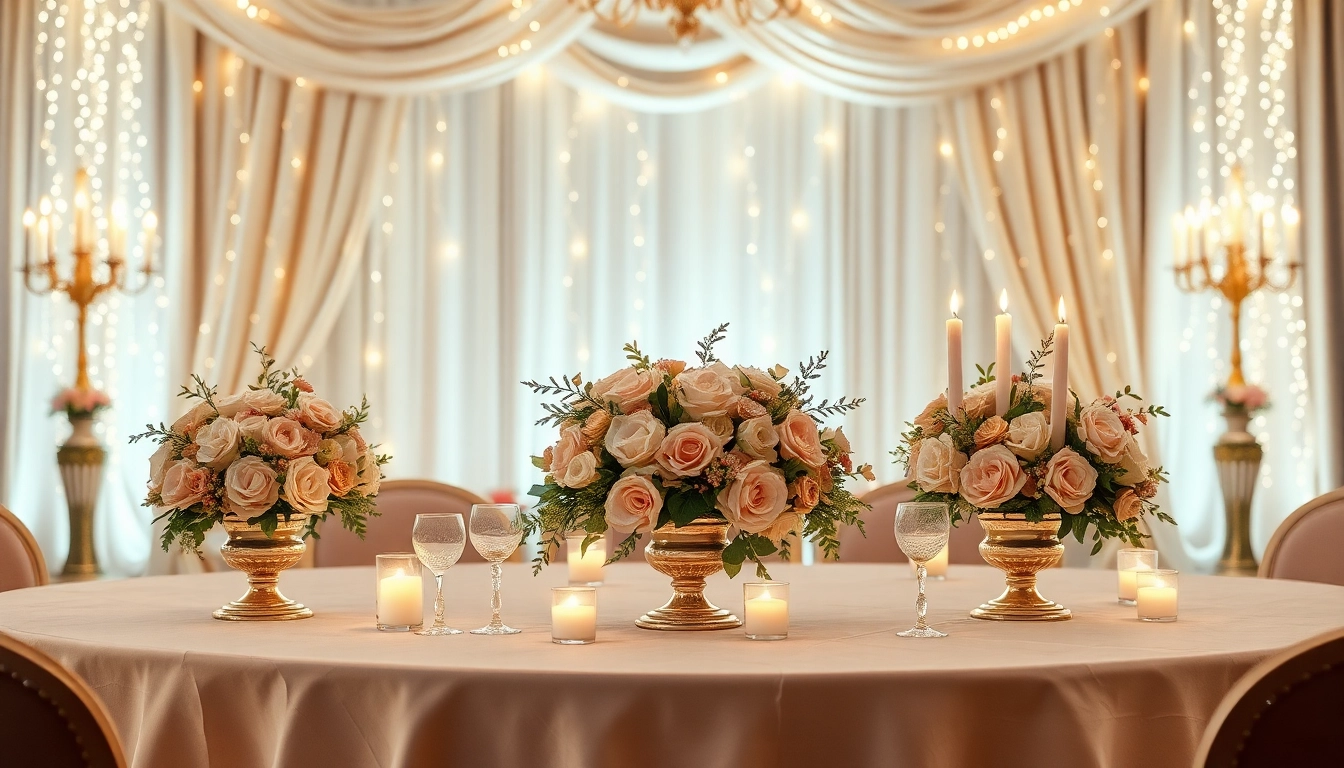
Understanding Event Themes and Styles
When planning an event, the theme you choose sets the stage for the entire experience. It can dictate everything from decor to activities and even the attire of your guests. An engaging theme can create memorable moments and lasting impressions. To explore event themes in depth, one must consider the current trends, the preferences of the guests, and the overall message or feeling the event should convey. Many event planners find inspiration from https://www.casablancahire.co.uk/ as they evaluate different style concepts.
Popular Event Themes for 2023
As we delve into 2023, several event themes have emerged, reflecting the evolving tastes and sensibilities of audiences:
- Sustainable Living: Eco-friendly events that promote sustainability through decor and practices. Floral arrangements made from local blooms and recycled materials feature prominently.
- Rustic Charm: Inspired by nature, rustic themes utilize wood, burlap, floral elements, and a casual ambiance for relaxed gatherings like weddings and outdoor parties.
- Glamorous Art Deco: Drawing inspiration from the 1920s, this theme emphasizes luxury, featuring metallic tones, rich fabrics, and geometric designs.
- Bohemian Vibes: Perfect for laid-back gatherings, bohemian themes incorporate vibrant colors, eclectic decor, and a sense of freedom and creativity.
- Virtual Reality Experiences: Integrating technology, these themes allow participants to engage with interactive digital environments, particularly beneficial for corporate or promotional events.
Choosing the Right Decor Style
The decor style you select should harmoniously align with your theme, creating a cohesive experience for guests. Start by considering color palettes that echo the essence of your theme. For instance, pastel colors can enhance a vintage theme, while bold hues may serve a modern aesthetic.
Using elements such as table settings, lighting design, and seating arrangements can significantly impact mood and engagement. For example:
- For outdoor celebrations, string lights can create a cozy ambiance.
- In indoor events, elaborate centerpieces can act as conversation starters.
Ultimately, the decor should evoke the desired emotions and complement the overall event objective.
Customizing Your Theme for Personal Touches
Personalization transforms any event from generic to extraordinary. Incorporating unique elements such as custom signage, personalized favors, or themed activities can enhance guest experiences. Consider including:
- Photo booths with props that resonate with the theme and are meaningful to the host.
- Themed menus that echo the style of the event—like serving Greek dishes for Mediterranean-themed events.
- Playing music that matches the theme’s vibe, enhancing the overall atmosphere.
Customizing ensures that the event not only reflects your vision but also resonates with your guests on a personal level.
Essential Planning Steps for Successful Events
Planning an event can be a complex undertaking, but breaking it down into manageable steps can lead to a successful outcome. Here’s a closer look at essential planning steps:
Budgeting for Your Event
Creating a budget must be your first step. This forecast should include all potential expenses, allowing you to allocate funds appropriately. Key aspects include:
- Venue Costs: Rental fees can vary significantly based on location and season.
- Catering Expenses: Factor in food, beverages, and service charges.
- Decoration and Setup: This may include rentals or purchases of decor items.
- Entertainment Fees: Consider costs for DJs, live bands, or any performers.
Maintaining a contingency fund within your budget can also prepare you for unexpected expenses that may arise.
Timeline Development: From Start to Finish
A well-structured timeline is pivotal for ensuring that all elements come together seamlessly. Establish deadlines for:
- Booking venues and vendors.
- Sending invitations and tracking RSVPs.
- Finalizing decor and setup details.
Assigning responsibilities to team members can also facilitate a smoother planning process and avoid last-minute chaos.
Key Vendors to Consider
Identify and secure key vendors who align with your theme and budget early in the planning process. Essential vendors might include:
- Caterers: Choose based on cuisine types and reviews.
- Florists: Their expertise will enhance the decor’s visual aesthetics.
- AV and Lighting Technicians: They play a vital role in creating the event’s ambiance.
- Event Planners: Hiring experience can help alleviate stress, especially for large events.
Researching and planning can help you build a reliable vendor list that enhances the overall success of your event.
Innovative Venue Ideas for Unique Experiences
Choosing the right venue can elevate your event’s atmosphere and impact. Here we explore innovative options:
Outdoor vs. Indoor Venues: Pros and Cons
Each venue type has its distinct advantages and drawbacks.
- Outdoor Venues: Greatly enhance themes tied to nature and allow for larger gatherings. However, they may be susceptible to weather-related disruptions.
- Indoor Venues: Provide controlled environments, security, and amenities like restrooms. However, space limitations may occur, affecting guest comfort during larger events.
Careful consideration should be given to the venue’s pros and cons relative to your event’s objectives.
Unconventional Spaces for Special Events
For a truly unique experience, consider unconventional venue options:
- Art Galleries: Provide creative ambiance, allowing guests to enjoy art amidst the event.
- Historic Buildings: Often feature stunning architecture, giving events a distinguished touch.
- Unique Rooftop Spaces: Offer breathtaking views that can be particularly memorable.
Choosing an unconventional venue can create a standout experience and set your event apart from the rest.
Transforming Your Venue with Decor
Once the venue is selected, it’s time to transform the space into a reflection of your theme. Various decor elements can refresh and enhance the location:
- Lighting: Use color washes, spotlights, or string lights to create ambiance.
- Fabric Draping: Soften the space by draping ceilings or walls with elegant fabric.
- Thematic Props: Incorporate props that resonate with your theme, such as vintage suitcases for travel-themed events.
Strategically selected decorations can breathe life into your space, making it truly memorable.
Engaging Your Audience During Events
A successful event keeps guests actively engaged, ensuring they enjoy the experience. Here are some strategies to consider:
Tech Integration for Contemporary Events
Leverage technology to enhance guest interaction and boost engagement levels:
- Live Polling: Use apps or platforms that allow guests to answer questions or vote in real-time.
- Event Apps: Provide schedules, maps, or activity lists through custom mobile apps, enhancing guest convenience.
Incorporating tech further adds value by facilitating communication and experience for attendees.
Interactive Activities to Keep Guests Entertained
Consider entertaining activities that align with your theme:
- Workshops: These offer guests hands-on experiences, such as art classes or culinary demonstrations.
- Games: Trivia contests or scavenger hunts engage guests and foster camaraderie.
These activities can infuse energy into the event, making it memorable and enjoyable.
Creating a Cohesive Event Flow
An event’s flow directly impacts guest engagement and satisfaction. Pay attention to the pacing of activities, considering:
- Transitions between segments, ensuring smooth movement from speeches to entertainment.
- Scheduled meal times, allowing guests to socialize while enjoying food and drinks.
A well-timed agenda builds anticipation and excitement throughout the event’s duration.
Measuring Success and Gathering Feedback
Once your event concludes, measuring its success and gathering feedback becomes essential for future improvements.
Post-Event Surveys: Why They’re Important
Surveys act as a valuable tool to understand attendee perspectives. Create surveys that are concise and targeted, covering areas such as:
- Overall event experience.
- Quality of venue and amenities.
- ENGAGEMENT prefer for future activities.
These insights help identify strengths and areas for optimization in future events.
Evaluating Success Metrics
Establish clear metrics for evaluating your event’s success. Consider analyzing:
- Attendance rates compared to expectations.
- Social media engagement levels, including posts, shares, and hashtags.
- Budget adherence, evaluating actual costs versus the budget.
These quantitative assessments provide tangible insights into event performance.
Using Feedback to Improve Future Events
Use the feedback and metrics collected to inform your future event planning. Identify common feedback themes and integrate actionable changes.
Adjusting based on responses will enhance your planning efficiency and elevate guest experiences at future events.
Frequently Asked Questions
How do I choose the right theme for my event?
Consider your audience’s interests, the event purpose, and current trends when selecting a theme that resonates.
What are the most important elements of event decor?
Key decor elements include color schemes, centerpieces, thematic props, and lighting, as they create the desired atmosphere.
How can I effectively manage my event budget?
Start with a clear outline of potential expenses, allocate your funds wisely, and maintain a contingency fund for unexpected costs.
What venues work best for large events?
Consider spacious venues like banquet halls, outdoor parks, or convention centers that provide amenities and accommodate larger crowds.
How do I engage guests during my event?
Incorporate interactive activities, utilize technology for polls, and ensure a smoothly coordinated event flow to keep guests engaged.


