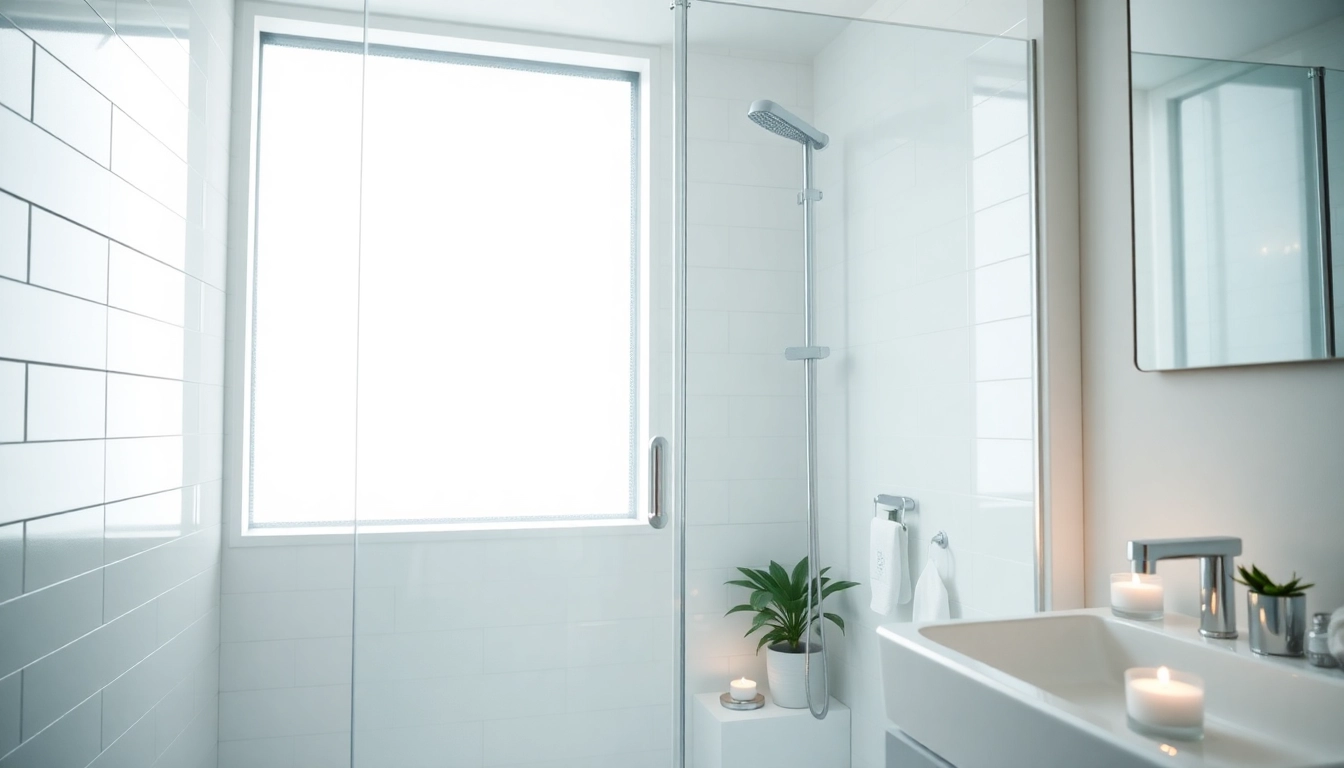
Understanding Shower Sliding Doors
What Are Shower Sliding Doors?
Shower sliding doors are a popular choice for contemporary bathrooms, providing both functionality and aesthetic appeal. These doors typically consist of one or more panels that glide open along a track, allowing for easy access to the shower space without the need for swinging doors that require more room to operate. Their design maximizes space, making them particularly suited for smaller bathrooms or showers located in tight areas.
Benefits of Using Shower Sliding Doors
Opting for shower sliding doors comes with numerous benefits. Firstly, these doors save space, creating a seamless look that enhances the feeling of openness in the bathroom. Furthermore, they are generally easy to operate, offering smooth sliding action that is particularly advantageous for households with mobility challenges. Additionally, shower sliding doors help keep water contained within the shower area, reducing the risk of slips and falls on wet floors. Their availability in various materials and styles also allows homeowners to choose a design that aligns perfectly with their bathroom's decor.
Types of Shower Sliding Doors
Understanding the various types of shower sliding doors is crucial for making the right choice for your bathroom. The main types include:
- Framed Sliding Doors: These have a metal frame that provides structure and durability. They are often seen in traditional designs.
- Frameless Sliding Doors: Offering a sleek and modern look, frameless doors use heavy glass and minimal hardware to provide an unobstructed view.
- Bi-Fold Sliding Doors: These doors fold inwards, making them ideal for smaller spaces where a traditional sliding door might not fit.
- Single Panel Sliding Doors: Comprising a single glass panel that slides along a track, these are typically used in more spacious shower areas.
Choosing the Right Shower Sliding Doors
Factors to Consider When Selecting
When selecting shower sliding doors, it's essential to consider several factors to ensure you make the right choice for your space. Start with the size of your shower area, measuring the width and height to determine what fits best. Next, consider your audience; if you have children or the elderly in the home, safety features like tempered glass or textured finishes could be beneficial. Additionally, think about your bathroom's overall style—modern, rustic, or traditional—and choose a design that complements existing elements.
Popular Materials for Shower Sliding Doors
The materials used for shower sliding doors play a significant role in their effectiveness, durability, and aesthetic appeal. Here are some popular materials:
- Glass: The most common choice due to its elegant look and ability to create the illusion of space. Tempered safety glass is recommended for durability.
- Acrylic: Lightweight and less fragile than glass but can be less durable over time.
- Polycarbonate: Another lightweight option; it is nearly unbreakable and is often used where safety is a concern.
- Vinyl: While less common, vinyl doors can provide a more budget-friendly, though less stylish, option.
Design Styles to Match Your Bathroom
Your bathroom's design style should guide your choice of shower sliding doors. For a modern bathroom, consider frameless glass doors that offer a sleek and minimalistic appearance. In contrast, framed doors might be better suited for more traditional styles, with ornate frames adding charm. For rustic bathrooms, wooden elements or doors with a smoky finish can offer a homely touch. It is also essential to consider color schemes and how the shower sliding doors will fit into the overall palette of your bathroom space.
Installation Process for Shower Sliding Doors
Preparing Your Bathroom Space
Preparing your bathroom for the installation of shower sliding doors involves several steps. First, you need to clear the area of all items like soaps, shampoos, and towels. Remove any existing shower doors if applicable, ensuring to take safety precautions, especially with glass doors. Next, confirm that the surfaces where the sliding doors will be mounted are clean, level, and dry, as any irregularities could affect the functionality of the doors.
Step-by-Step Installation Guide
While professional installation is always an option, many people find that they can successfully install shower sliding doors themselves. Here’s a simplified step-by-step guide:
- Measure the Shower Area: Precise measurements will ensure a proper fit.
- Install the Track: Follow the manufacturer's instructions to attach the track securely to the wall.
- Attach the Panels: Depending on door types, slide the panels into the track, ensuring wheels are aligned.
- Secure Stops and Handles: Fix the door stops to prevent the panels from sliding too far. Attach handles for easier operation.
- Final Adjustments: Test the operation of the doors and make any necessary adjustments.
Common Installation Mistakes to Avoid
To ensure a successful installation of shower sliding doors, avoid these common mistakes:
- Incorrect measurements, which can lead to ill-fitting doors.
- Neglecting to level the track, leading to poor functionality.
- Skipping safety precautions, especially when handling glass panels.
- Using improper materials or tools, which can compromise durability and safety.
Maintaining Shower Sliding Doors
Cleaning Techniques for Longevity
Regular cleaning is essential for maintaining the functionality and appearance of shower sliding doors. Use a gentle, non-abrasive cleaner specifically designed for glass or acrylic to avoid scratches. A mixture of vinegar and water can effectively remove soap scum and hard water stains. Rinse thoroughly and dry with a soft cloth to prevent streaking and build-up.
Preventing Common Issues
To prevent common issues such as sticking doors or leaks, regularly inspect the tracks for debris and clean them. Ensure that the rollers are functioning correctly and lubricate them occasionally to maintain smooth operation. It’s also vital to check seals and gaskets for wear and replace them as needed to prevent water leakage and protect your floors.
When to Seek Professional Help
While many installation tasks can be done independently, there are scenarios where seeking professional help is advisable. If you encounter significant structural issues in your shower area, or if the installation involves complex plumbing changes, it's best to consult a professional. Additionally, if you're unsure about selecting the right materials or styles, an expert can provide valuable insights and recommendations tailored to your needs.
FAQ: Common Questions about Shower Sliding Doors
How do I measure for shower sliding doors?
To measure for shower sliding doors, determine the width and height of your shower opening. Use a tape measure, and ensure you're measuring at several points to identify any differences that might affect fit.
Are shower sliding doors safe for children?
Yes, shower sliding doors can be safe for children, especially those with tempered glass and rounded edges. Ensure that handles are placed within reach and that no sharp edges are exposed.
Can I install shower sliding doors myself?
Yes, many homeowners can install shower sliding doors themselves following provided instructions. Basic DIY skills are usually sufficient, but consider professional help for complex situations.
What maintenance do shower sliding doors require?
Shower sliding doors require regular cleaning, lubrication of tracks and rollers, and periodic inspection of seals for wear to maintain their functionality and appearance.
Do shower sliding doors come with a warranty?
Most manufacturers offer a warranty on their shower sliding doors, typically covering issues like defects in materials or workmanship. Check specific warranty details for your product.